
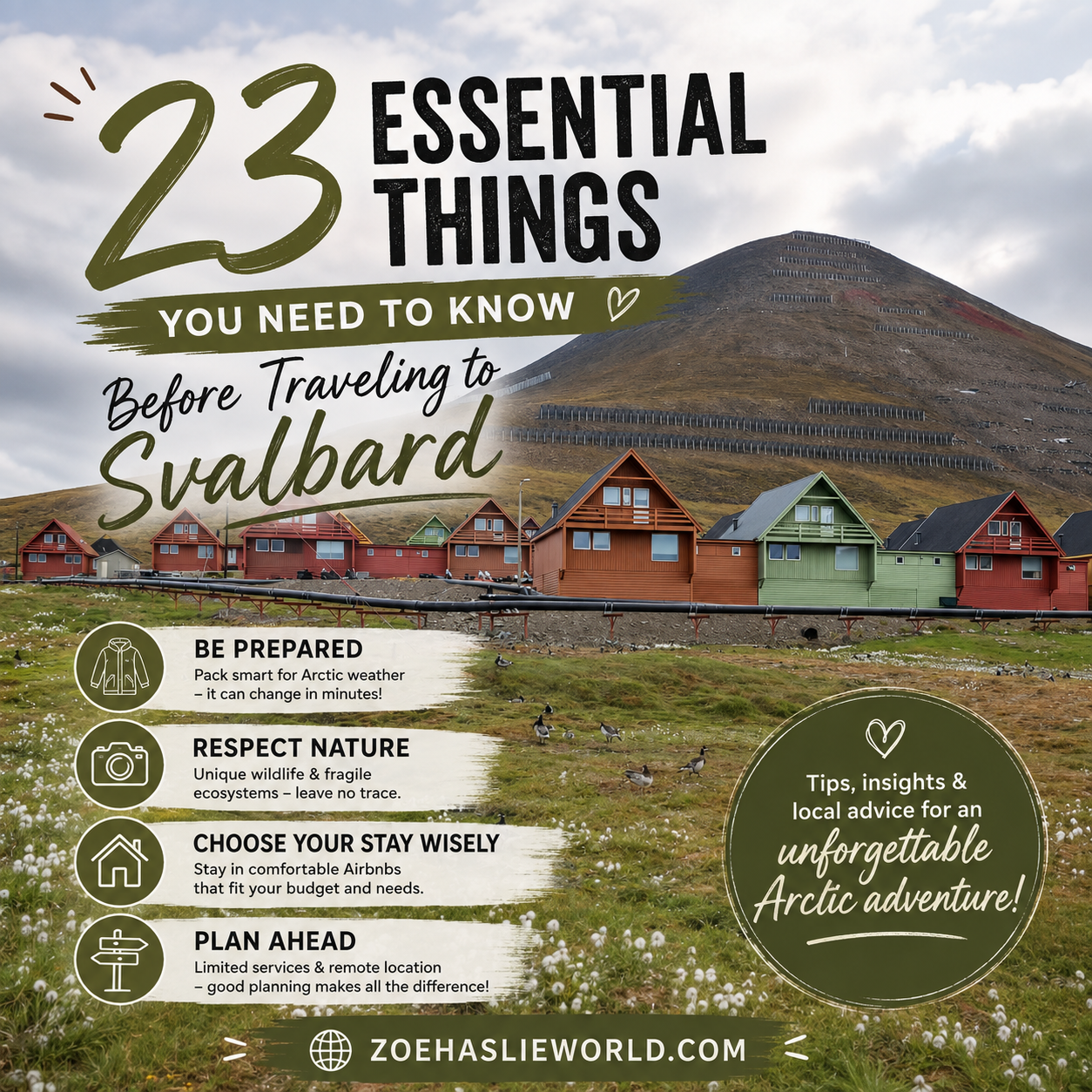
A Most Remote Destination...
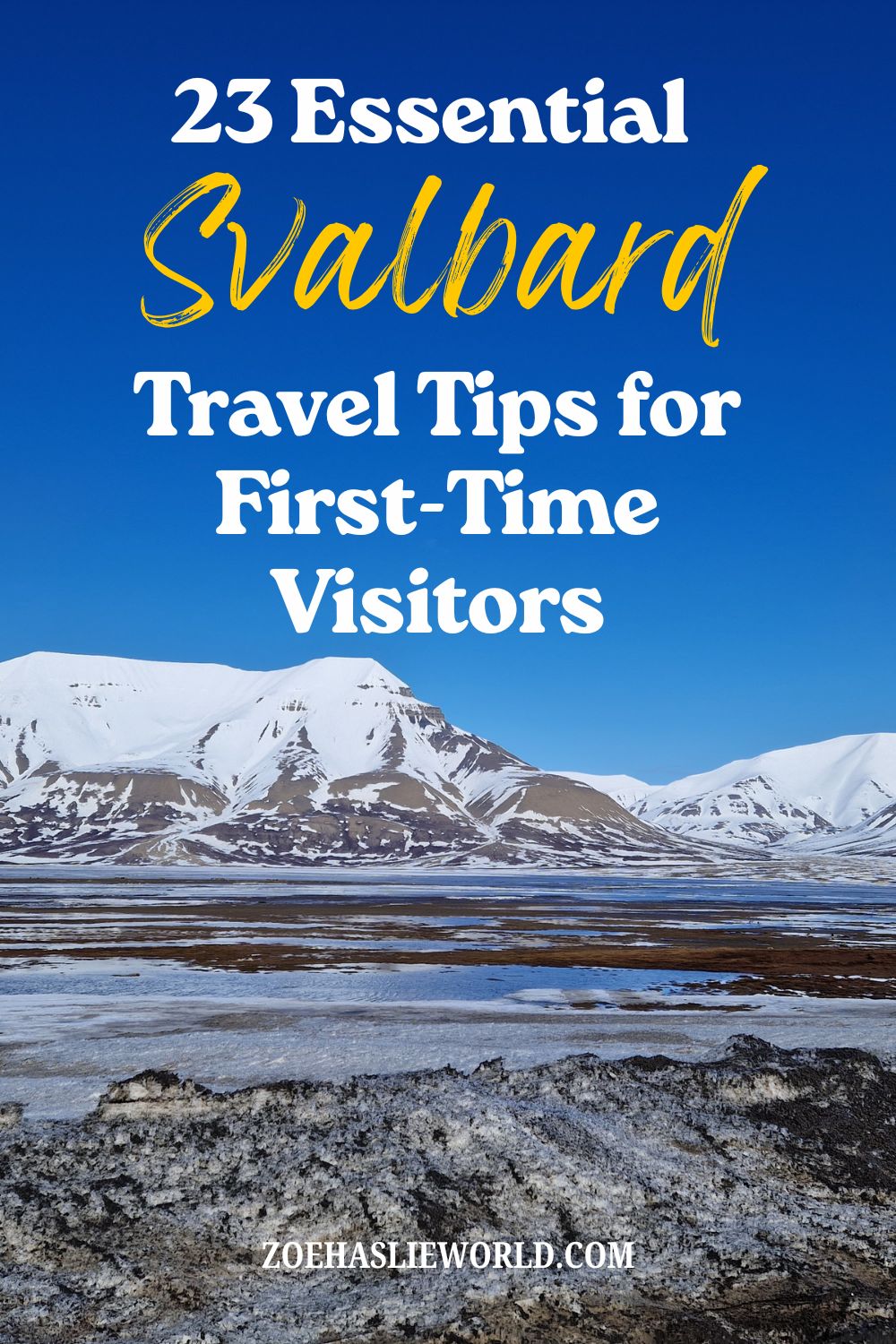
Svalbard is one of the world’s most remote and fascinating destinations on earth. With dramatic glaciers, polar bears, and months of darkness or daylight, it’s not your average trip. Before you go, here are 23 essential things to understand to stay safe, prepared, and fully enjoy the experience.
23 Essential Things You Need to Know Before Traveling to Svalbard
1. It’s Closer to the North Pole Than You Might Think
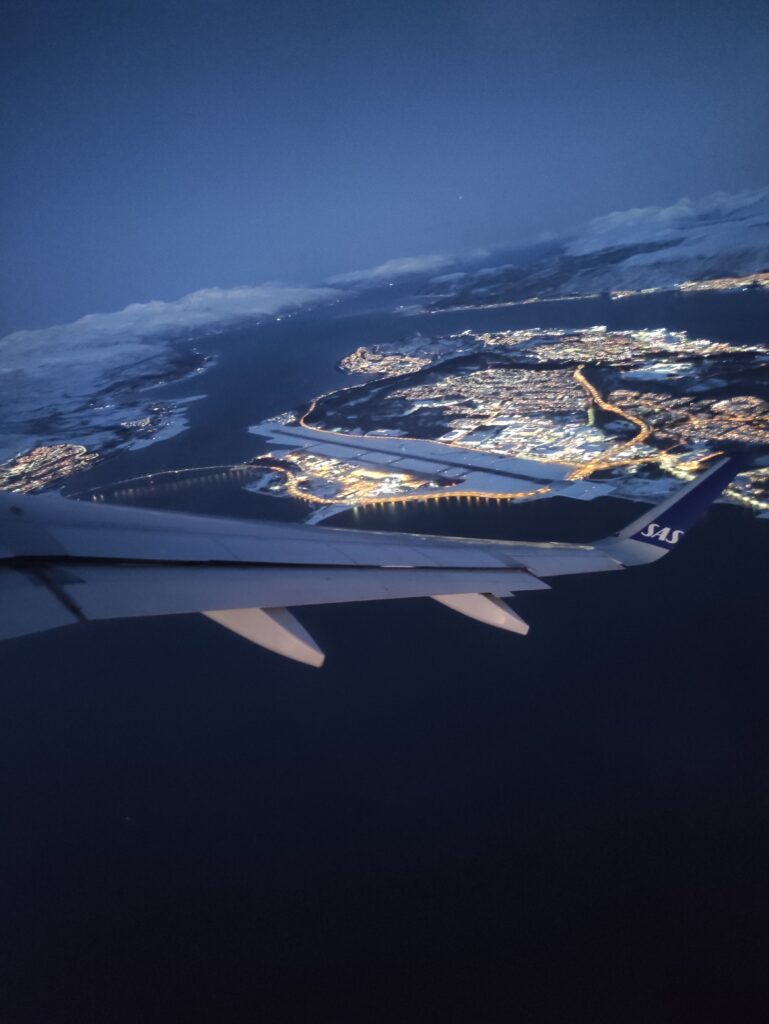
Svalbard sits roughly halfway between mainland Norway and the North Pole. When visiting here, you’re entering a true Arctic wilderness.
2. You Don’t Need a Visa for Svalbard Itself
Svalbard has a unique visa-free status. Any citizen from any country in the world can move to live and work in Svalbard. However, you’ll likely transit through Norway, which does require Schengen compliance.
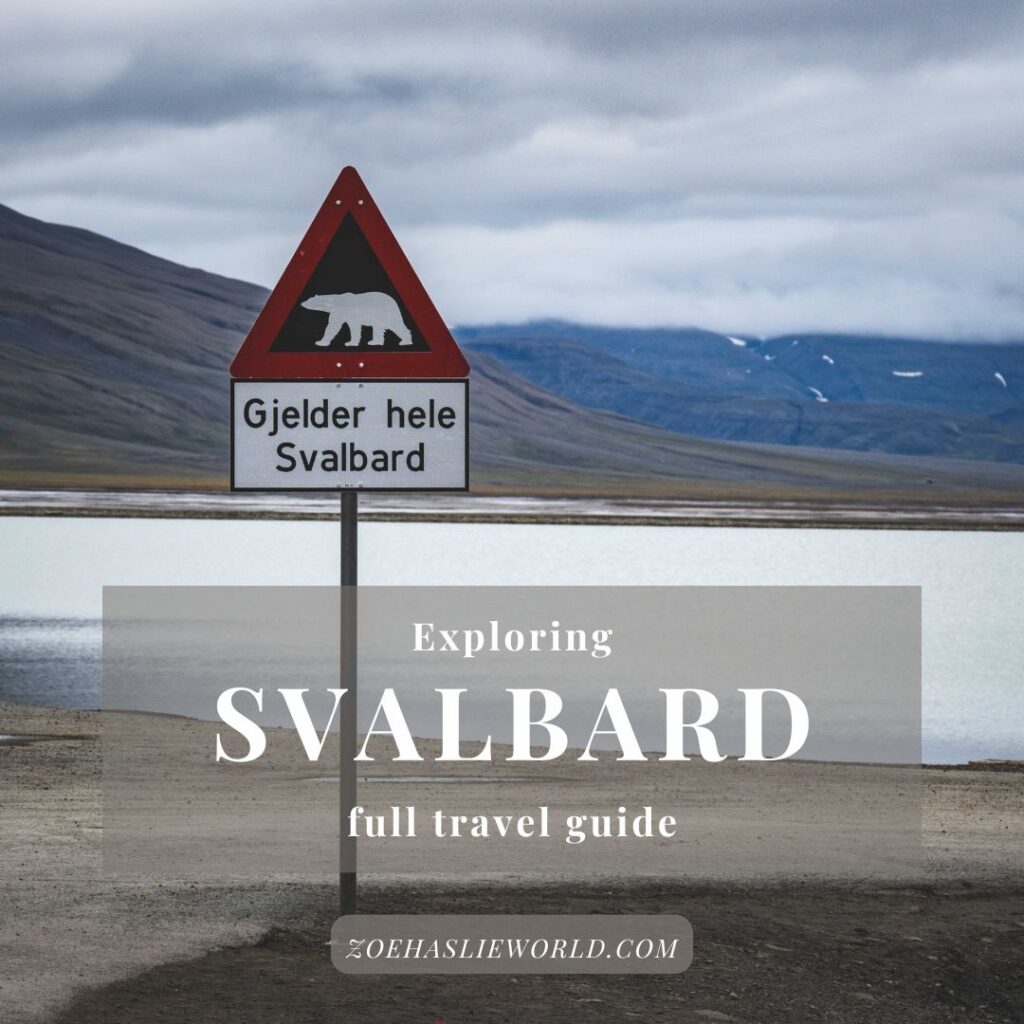
3. Polar Bears Are a Real Danger
This isn’t a zoo situation. Polar bears roam freely in this archipelago. Leaving settlements without protection (usually a flare gun and a rifle) is highly dangerous.
4. Longyearbyen Is the Main Town and the World’s Northernmost Town
Most travelers stay in Longyearbyen, the largest settlement and your base for tours and logistics.
5. Extreme Light Cycles
From April to August, the sun never sets (midnight sun). From October to February, it never rises (polar night).
6. Weather Is Unpredictable
Even in summer, temperatures can hover near freezing. Wind chill makes it feel much colder.
7. Layering Is Essential
Bring thermal layers, waterproof outerwear, gloves, hats, and proper boots—no matter the season.
8. You Can’t Be Buried There
Due to permafrost, bodies don’t decompose. People who die are transported to mainland Norway.
9. Alcohol Is Rationed
There are limits on how much alcohol residents and visitors can buy due to local regulations.
10. It’s Surprisingly International
Despite its remoteness, Svalbard hosts people from dozens of countries, roughly 2,400 to 2,600 inhabitants representing over 50 different nationalities.
11. Credit Cards Are Widely Accepted
Cash is rarely needed, even in this remote location. In fact, the only bank that operated on the island closed during the pandemics, so there are no ATMs in Longyearbyen.
12. You Must Take Guided Tours
Many areas are off-limits without a guide due to safety concerns (mainly polar bears and harsh terrain). Even locals need to get a government-issued riffle license and survival courses before leaving town on their own.
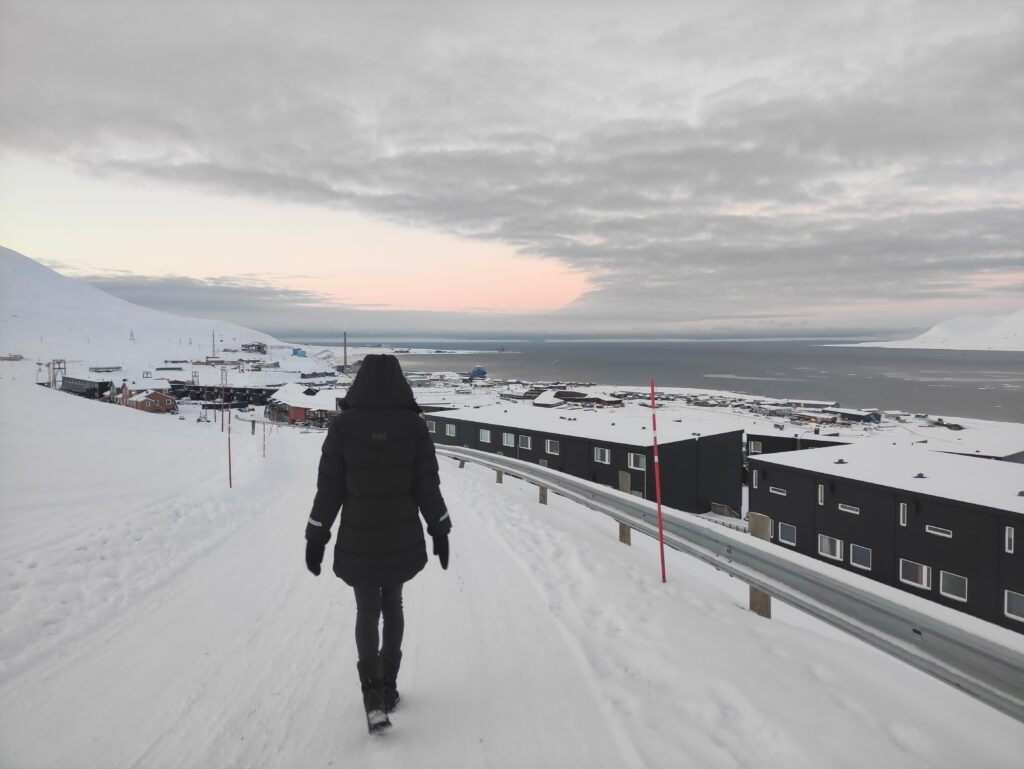
📍 Longyearbyen, Svalbard
13. Wildlife Is Incredible
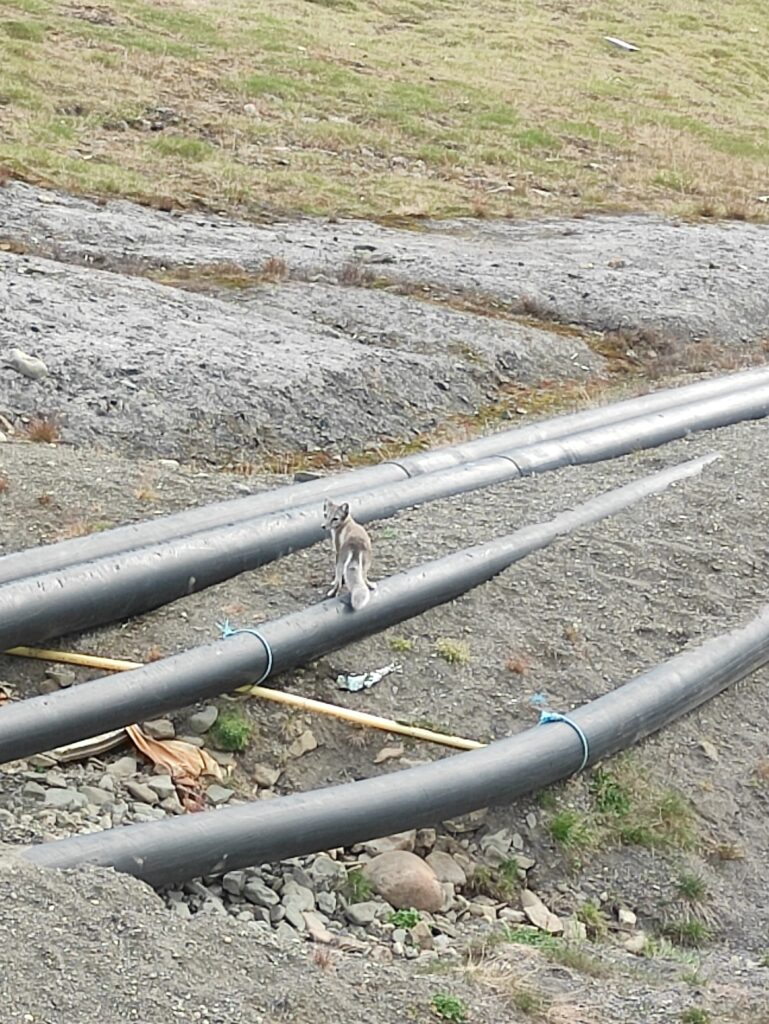
Expect to see reindeer, Arctic foxes, seabirds (watch out for the Arctic terns), walruses, belugas, whales and possibly some polar bears too.
14. Cats Are Not Allowed Here
Cats are not allowed in Svalbard to protect its fragile ecosystem, especially native bird populations that could be harmed by hunting. The ban also helps prevent the spread of diseases like rabies in the isolated Arctic environment.
15. It’s Expensive
Everything, from food to tours, is costly due to the remote location. Read 13 Money-Saving Tips for Traveling in Svalbard on a Budget.
16. There Are No Roads Between Settlements
Transportation between settlements is typically by snowmobile, boat, or plane.
Svalbard Wildlife: Bold & Easy Coloring Book (Printable PDF)

Discover the magic of the Arctic with 50+ bold and easy coloring pages featuring adorable Svalbard wildlife! This printable PDF coloring book includes fun wildlife facts, thick outlines, and relaxing illustrations perfect for adults, teens, kids, beginners, and nature lovers.
Inspired in my Ultimate Svalbard Travel Guide
17. Snowmobiles Are a Primary Transport
In winter, snowmobiles are essential for getting around outside town. But some locals also use them to go to work.
18. You Can Visit Ice Caves and Glaciers
Guided excursions let you explore surreal ice caves and massive glaciers safely.
19. Northern Lights Are a Major Attraction
Visit during polar night (roughly November to February) for the best chance to see them.
20. Summer Is for Hiking and Wildlife
Warmer months offer boat trips, birdwatching, and tundra hikes.
21. Environmental Rules Are Strict
Svalbard prioritizes conservation. Disturbing or harming wildlife or nature can lead to heavy fines.
22. It’s One of the Safest Places on Earth… If You Respect It
Crime is virtually nonexistent, but nature is the real risk here.
23. There is a Global Seed Vault
Svalbard Global Seed Vault, a secure facility built deep inside a mountain to safeguard the world’s crop diversity. Often called the “doomsday vault,” it stores backup seeds from around the globe, ensuring that vital food crops can be restored even after major global crises.
Final Thoughts
Traveling to Svalbard requires preparation, respect for nature, and a sense of adventure. If you come ready, you’ll leave with unforgettable memories of one of the planet’s last true wildernesses.
Visiting Svalbard Soon?
Make sure to check out my Travel Resources page to start planning your trip!
Pin It!
If You Enjoyed This Svalbard Post, Check Out...
About Me

📍Dumbo - New York
I'm Zøe!
I write heartfelt, character-driven fiction featuring resilient teenage heroines navigating personal challenges and striving to become their best selves. Beyond my novels, I love storytelling in all its forms. On this blog, I share narrative-rich travel pieces, offering glimpses into my favorite places, hidden corners, and unforgettable encounters around the globe.
Join My Newsletter!
Get book lists, reading inspiration, and wanderlust recommendations.

Some of the links on this site are affiliate links. This means that if you click on a link and make a purchase, I may earn a small commission at no extra cost to you. I only recommend books and products that I genuinely love and think you’ll enjoy.

Pingback: 15 Reasons to Visit Svalbard at Least Once in Your Lifetime (The Ultimate Arctic Bucket List) -