
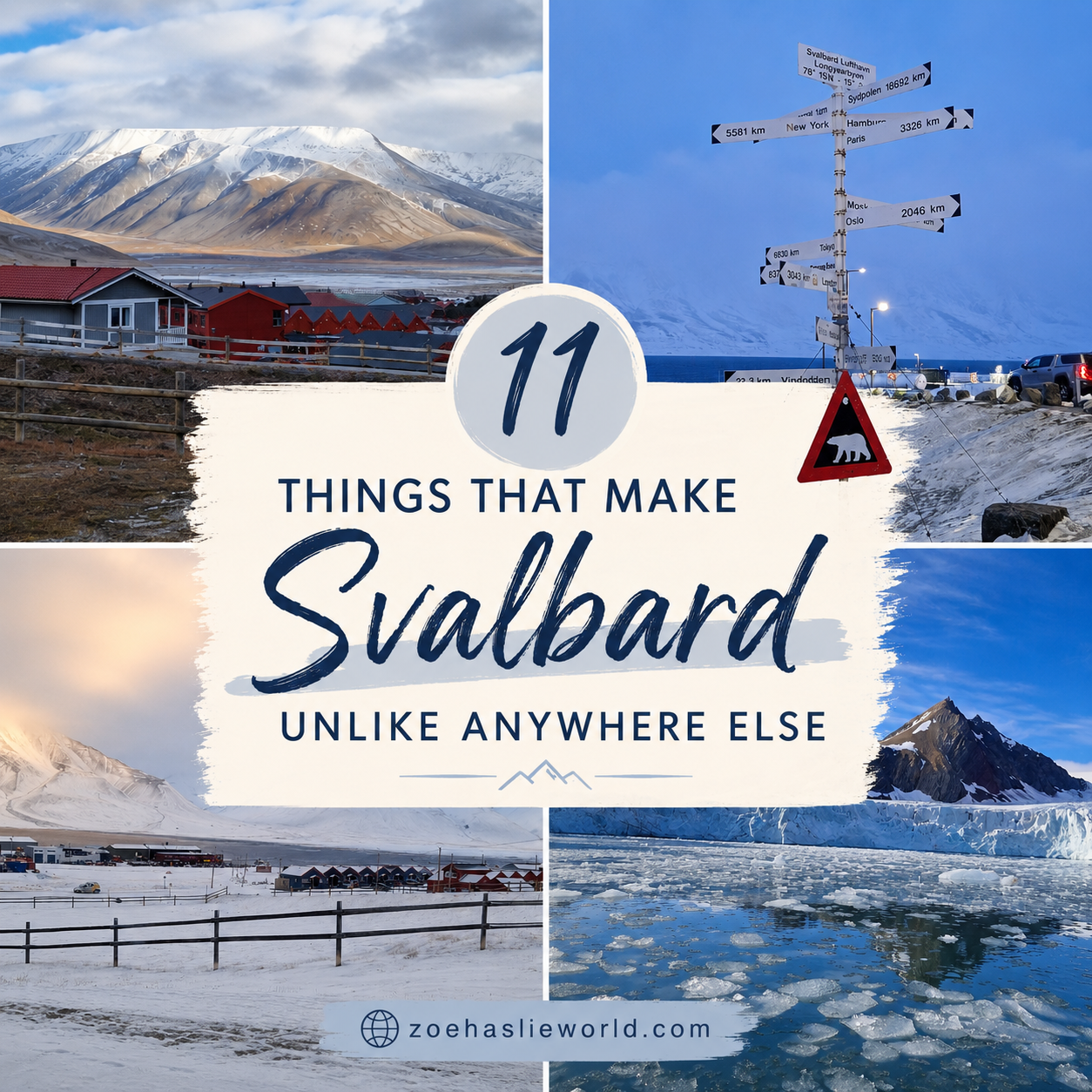
There are places you visit, and then there are places that completely change your idea of what a destination can be. Svalbard is one of them.
Located in the High Arctic between mainland Norway and the North Pole, this remote Norwegian archipelago is a home to dramatic glaciers, Arctic wildlife, frozen fjords, colorful houses and landscapes that seem to stretch endlessly toward the horizon.
But what really makes Svalbard unlike anywhere else isn't just its scenery. It's the way people live here, the extreme changes in light, the wildlife, the remoteness and the fact that the wilderness is never very far away.
So, I am confident that, if you're planning a trip to Svalbard, these 11 things will give you a better idea of what makes this Arctic destination so extraordinary.
11 Things That Make Svalbard Unlike Anywhere Else
1. You're in the High Arctic — but Svalbard is part of Norway
Svalbard feels incredibly remote, but it is part of the Kingdom of Norway.
The archipelago lies between approximately 74° and 81° north latitude, roughly halfway between mainland Norway and the North Pole. Its largest island is Spitsbergen, where you'll find Longyearbyen, the main settlement and gateway for most visitors.
That location alone makes Svalbard unlike most destinations you'll ever visit. You aren't simply traveling north. You're traveling into the High Arctic. And despite its remote location, Longyearbyen has restaurants, cafés, hotels, shops, museums and a surprisingly active community.
2. The light is unlike anywhere else
Perhaps the most extraordinary thing about Svalbard travel is the light — or lack of it. The year is divided into dramatic periods of darkness and almost endless daylight.
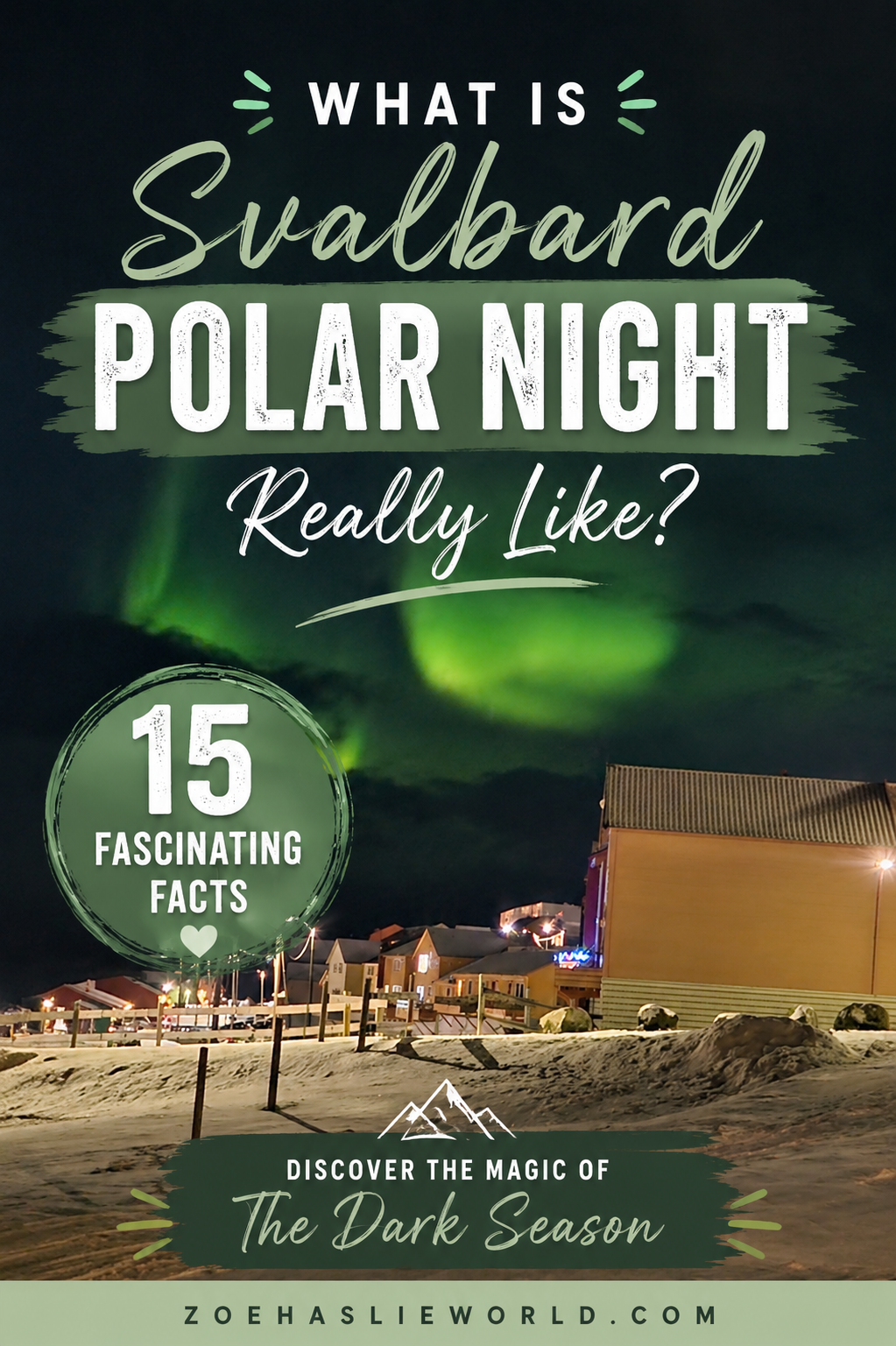
During the Polar Night, the sun remains below the horizon for an extended period. In Longyearbyen, the darkest part of this period generally runs from around mid-November to late January.
And then the opposite happens. During the Midnight Sun, the sun stays above the horizon around the clock. In Longyearbyen, this occurs roughly from April 19 to August 23.
Imagine going for a walk at midnight and discovering that it looks like afternoon. Or visiting during Polar Night and experiencing a landscape transformed by darkness, stars and potentially Northern Lights. It's one of the defining experiences of visiting Svalbard.
3. Summer doesn't really have nighttime
Okay, I know I just talked about this. But Svalbard's summer light deserves its own mention.
During the Midnight Sun, there is no conventional nighttime. The sun remains above the horizon, meaning you can theoretically go hiking, take a boat trip or simply wander around Longyearbyen at midnight in daylight.
This can completely confuse your sense of time. Dinner at 10 PM? A hike at midnight? Still bright outside? All completely normal in Svalbard.
The endless daylight also gives the Arctic landscape an incredible appearance, with mountains, glaciers and fjords illuminated around the clock.
4. During Polar Night, the Northern Lights can appear during the day
This is one of the strangest and most fascinating things about Svalbard Polar Night.
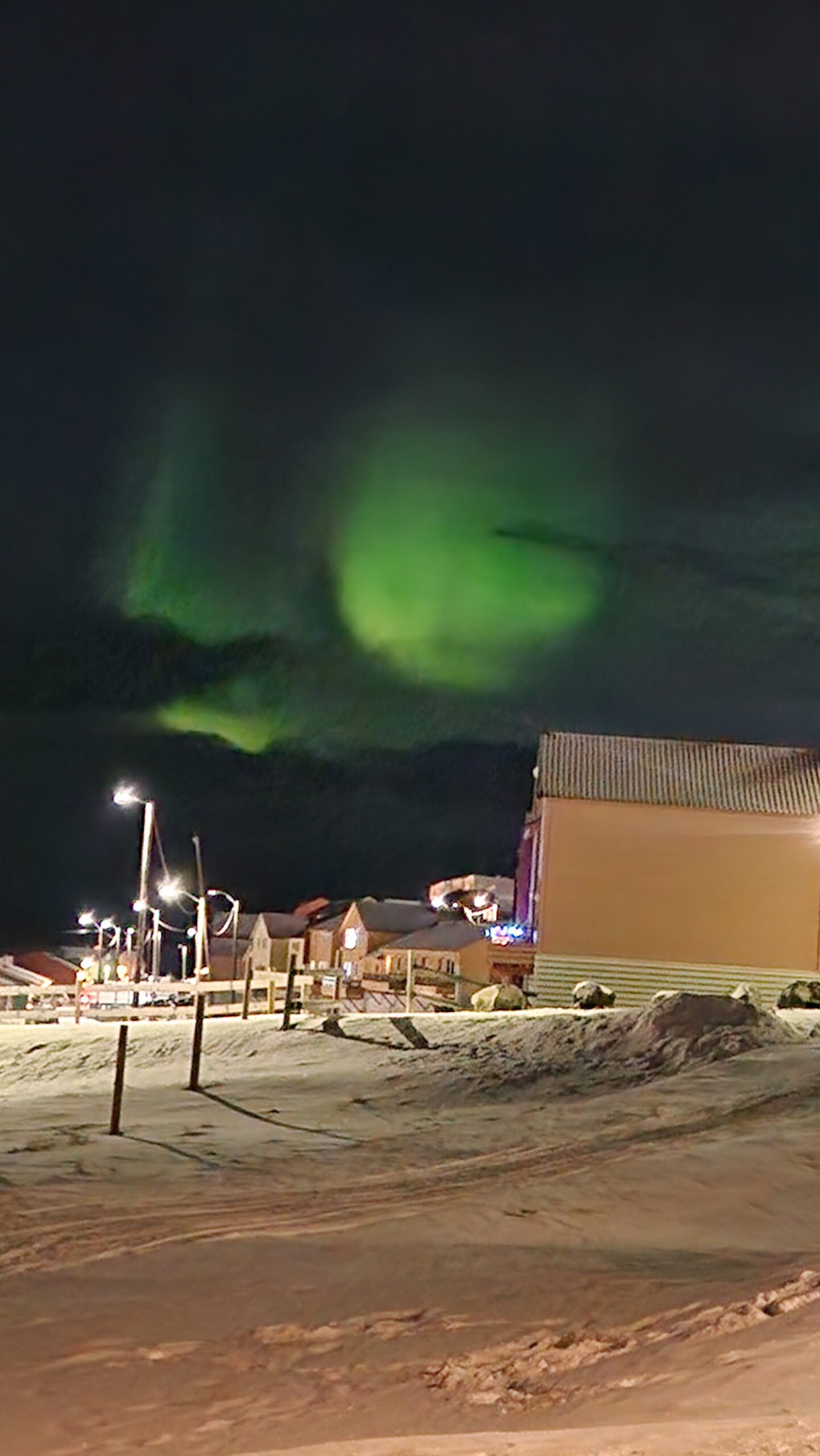
Because the sun stays below the horizon for such a long period, it can be dark enough to see the Northern Lights even during daytime hours if the conditions are right. Of course, seeing the aurora is never guaranteed. After all, you still need suitable weather and sufficient solar activity.
But the possibility of seeing Northern Lights during what would normally be daytime is a uniquely Arctic experience. And when the aurora does appear above the mountains of Longyearbyen, it can feel quite magical.
5. Polar bears are part of the landscape
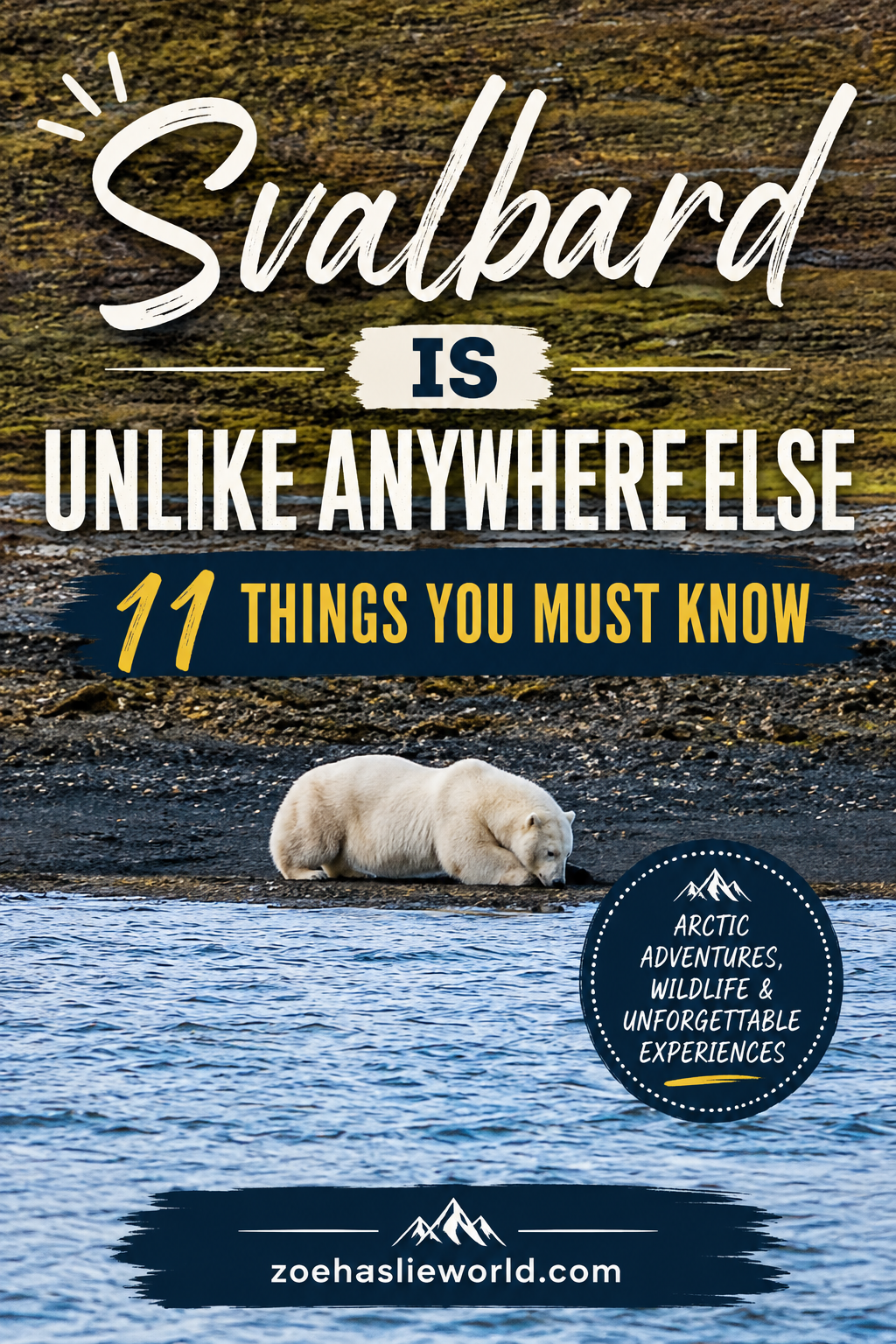
Svalbard is one of the world's best-known destinations for polar bear encounters. That’s right. Polar bears live throughout the archipelago, and encounters can happen year-round. But that doesn't mean you should ever try to find one yourself.
Polar bears are wild animals and can be dangerous. Outside settlements, visitors need to take appropriate polar bear safety precautions, and official guidance strongly recommends traveling with organized tours or knowledgeable local guides.
This is one of the things that makes Svalbard so different from ordinary travel destinations. Because over here, the wilderness isn't a backdrop. It is genuinely wild.
Svalbard Wildlife: Bold & Easy Coloring Book (Printable PDF)

Discover the Arctic with 50+ bold and easy coloring pages featuring adorable Svalbard wildlife, fun facts, and relaxing illustrations for all ages. Inspired in my Ultimate Svalbard Travel Guide
6. You can see wildlife adapted to one of Earth's harshest environments
Polar bears aren't the only wildlife that makes Svalbard unique. The archipelago is home to species that have adapted specifically to Arctic conditions, including:
🦌 Svalbard reindeer
🦊 Arctic foxes
🐻❄️ Polar bears
🦭 Seals
🦭 Walruses
🐋 Whales
🐦 Migratory Arctic bird species
Svalbard reindeer and Arctic foxes are the archipelago's only native land mammals. The surrounding waters are home to numerous marine mammal species, including walruses and several species of seals.
During summer, huge numbers of seabirds return to the Arctic, transforming the cliffs and coastline into busy wildlife habitats. For nature lovers, it's an extraordinary place to visit.
7. Glaciers, mountains and wilderness surround Longyearbyen
One of the strangest things about arriving in Longyearbyen is realizing how quickly the town gives way to wilderness. There isn't a huge urban area stretching beyond the settlement. Instead, you see mountains, valleys, glaciers and open Arctic landscapes.
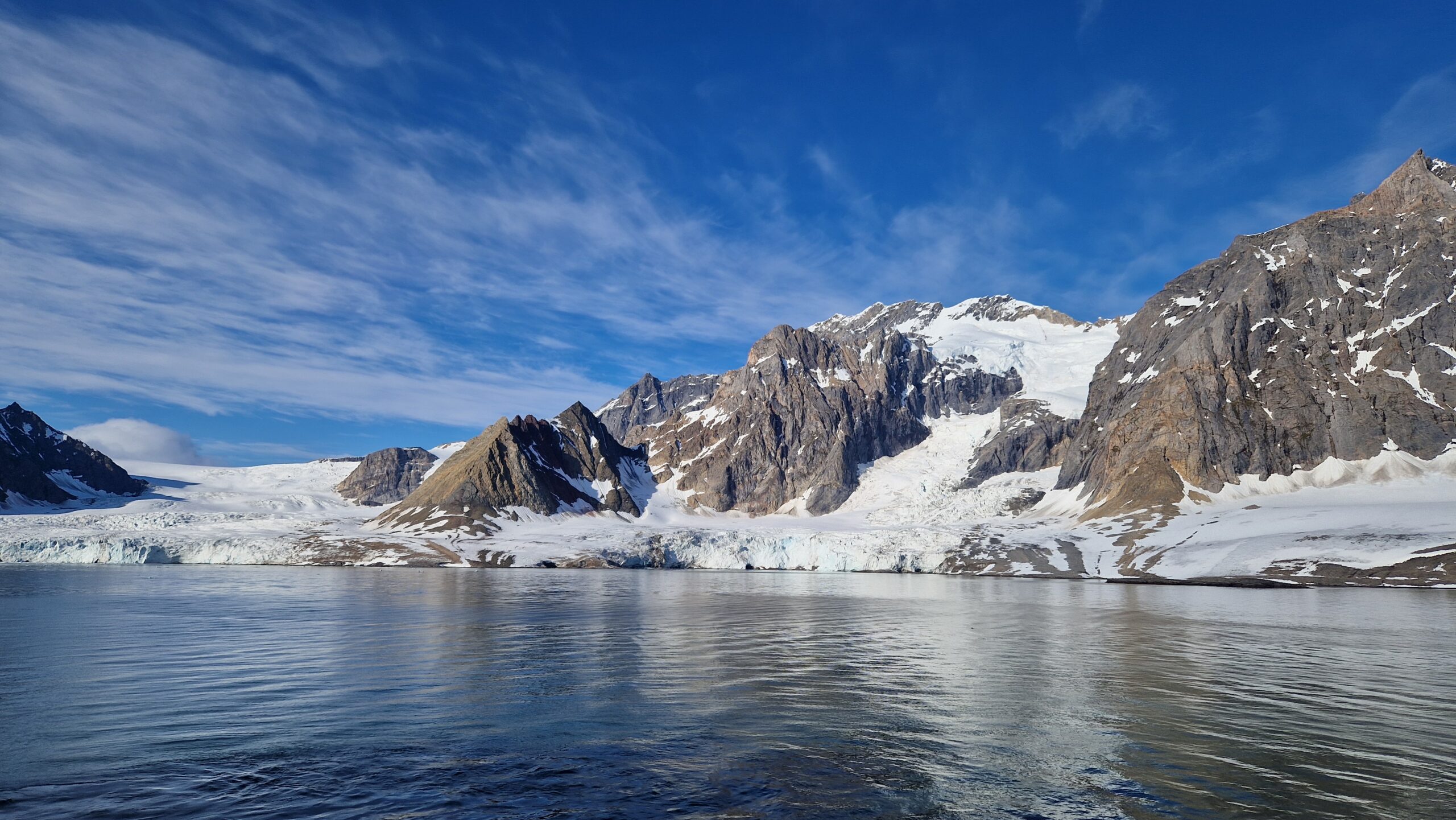
Svalbard's landscape is dominated by glaciers, bare mountains, tundra and fjords, creating scenery that feels dramatically different from mainland Norway. And because the landscape is so open, the scale can be difficult to comprehend. You can stand in Longyearbyen and look toward mountains that seem to continue endlessly into the distance.
8. You can't simply wander into the wilderness
This is one of the most important things to understand before traveling to Svalbard. In many destinations, you can rent a car, follow a trail and explore independently. But Svalbard is different.
Once you leave the settlement, you're entering an Arctic environment where weather, terrain and polar bears create genuine safety risks.
Local authorities advise visitors not to leave the settlement without a local guide with appropriate knowledge and polar bear protection. There are also specific regulations governing travel, activities and camping in different parts of the archipelago.
This means many of the best Svalbard experiences are organized activities, such as:
And honestly, having someone who understands the Arctic environment can make the experience much more enjoyable.
9. Longyearbyen is tiny — but surprisingly lively
You might imagine that a settlement this far north would feel completely isolated and quiet. Longyearbyen can certainly feel remote, but it also has a surprisingly vibrant community.
You'll find restaurants, cafés, hotels, shops, museums and cultural activities alongside homes and research institutions.
Longyearbyen might be the world's northernmost town, but travellers usually highlight its unusual combination of everyday community life and extreme Arctic surroundings.
One minute you can be drinking coffee in a cozy café. A short time later, you're looking at a glacier-covered mountain. That contrast is part of what makes Longyearbyen so fascinating.
10. Even the streets feel different
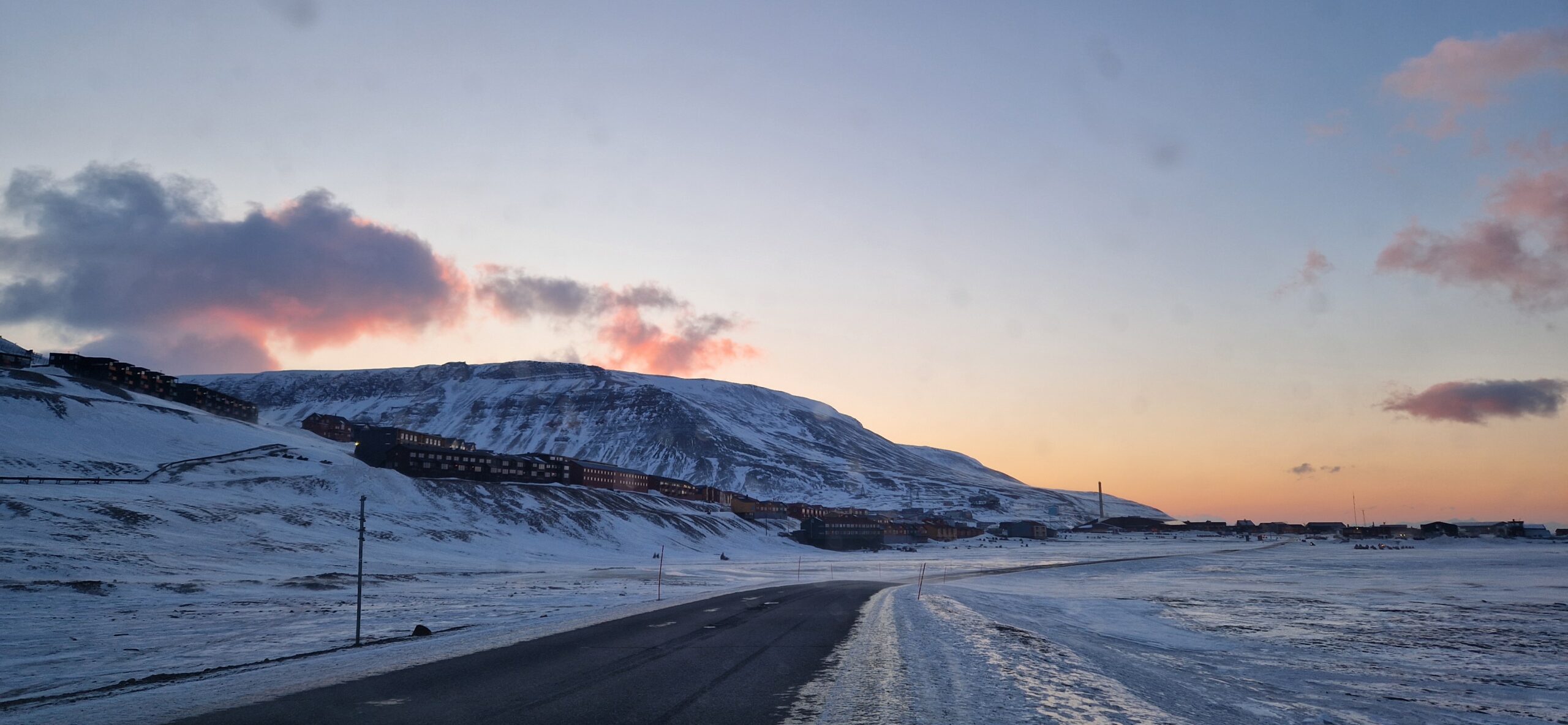
Longyearbyen has a few quirks that remind you just how unusual this place is. For example, the streets have numbers rather than traditional street names.
And during the Polar Night, visibility can be extremely low, so reflectors or high-visibility clothing are recommended when walking around town.
You'll also notice something else almost immediately: the town is surrounded by wilderness.
The boundary between everyday life and Arctic nature feels incredibly thin.
11. History is everywhere
Svalbard may look untouched in many places, but its landscape contains layers of human history. The archipelago has a long history of whaling, trapping, mining, scientific research and Arctic exploration.
Old cabins, mining remains and other historical structures can still be found across Svalbard. But there's an important rule for visitors: much of this heritage is protected. Human traces dating from before 1946 are automatically protected under Svalbard's regulations, and visitors must not remove, damage or disturb cultural remains. This creates a fascinating connection between the modern Arctic community and the generations of explorers, miners and hunters who came before.
What Makes Svalbard Truly Unique?
After experiencing all of these things, you start to understand that Svalbard's magic isn't just about being far north. It's about the combination of extremes. You have:
🌌 Months of darkness
☀️ Months of Midnight Sun
🐻❄️ Polar bears
🦌 Arctic wildlife
🏔️ Glaciers and mountains
🏘️ A tiny Arctic community
🚤 Wild nature-based adventures
🧭 Strict travel regulations
🏚️ Centuries of Arctic history
🌊 Remote fjords and frozen landscapes
❄️ A truly High Arctic environment
And perhaps that's why so many people become obsessed with this place. Svalbard isn't simply somewhere you visit. It's somewhere you experience.
When Is the Best Time to Visit Svalbard?
To be honest here, there isn't really one “best” season. Instead, the best time depends on what you want to experience.
For Polar Night & Northern Lights
November–January
This is the darkest part of the year and offers the possibility of experiencing the Polar Night and Northern Lights.
For Snow & Winter Adventures
February–May
As the light returns, Svalbard becomes a spectacular winter destination with snowy landscapes and increasing opportunities for outdoor adventures.
For Midnight Sun & Hiking
Late spring–summer
The Midnight Sun creates almost endless daylight, while the landscape becomes more accessible for hiking and boat-based experiences.
For Autumn Colors & Northern Lights
September–October
The transition into the darker season can bring beautiful autumn colors, early aurora opportunities and a quieter Arctic atmosphere.
Things to Know Before Visiting Svalbard
Svalbard may look like an adventurous destination where you can simply arrive and start exploring, but planning matters. Before your trip:
- Check the current travel and safety regulations.
- Book accommodation and activities in advance.
- Choose activities appropriate for your experience level.
- Respect polar bear safety rules.
- Never disturb wildlife.
- Don't pick Arctic flowers.
- Leave cultural heritage sites untouched.
- Be prepared for rapidly changing Arctic weather.
- Pack appropriate clothing for the season.
- Only join organized tours outside Longyearbyen.
Svalbard has specific environmental and travel regulations designed to protect both visitors and the fragile Arctic environment.
Final Thoughts - 11 Things That Make Svalbard Unlike Anywhere Else
There are plenty of beautiful destinations in the world, but Svalbard is in a category of its own.
Where else can you experience a tiny Arctic town surrounded by glaciers, potentially see polar bears in the wild, watch the sun stay above the horizon for months, and then return during another season when the landscape is wrapped in almost complete darkness?
That's what makes Svalbard unlike anywhere else.
It isn't the easiest destination to reach, and it isn't a place where you can completely forget about the environment around you. But that's precisely the point. Svalbard offers something increasingly rare: the chance to experience a place where nature still sets the rules.
And once you've experienced the Arctic at 78° north, it's difficult to forget.
If You Enjoyed This Svalbard Post, Check Out...

About Me
📍Dumbo - New York
I'm Zøe!
I write heartfelt, character-driven fiction featuring resilient teenage heroines navigating personal challenges and striving to become their best selves. Beyond my novels, I love storytelling in all its forms. On this blog, I share narrative-rich travel pieces, offering glimpses into my favorite places, hidden corners, and unforgettable encounters around the globe.
Join My Newsletter!
Get book lists, reading inspiration, travel guides, and wanderlust YA recommendations.

Some of the links on this site are affiliate links. This means that if you click on a link and make a purchase, I may earn a small commission at no extra cost to you. I only recommend books and products that I genuinely love and think you’ll enjoy.